Stone
Limestone
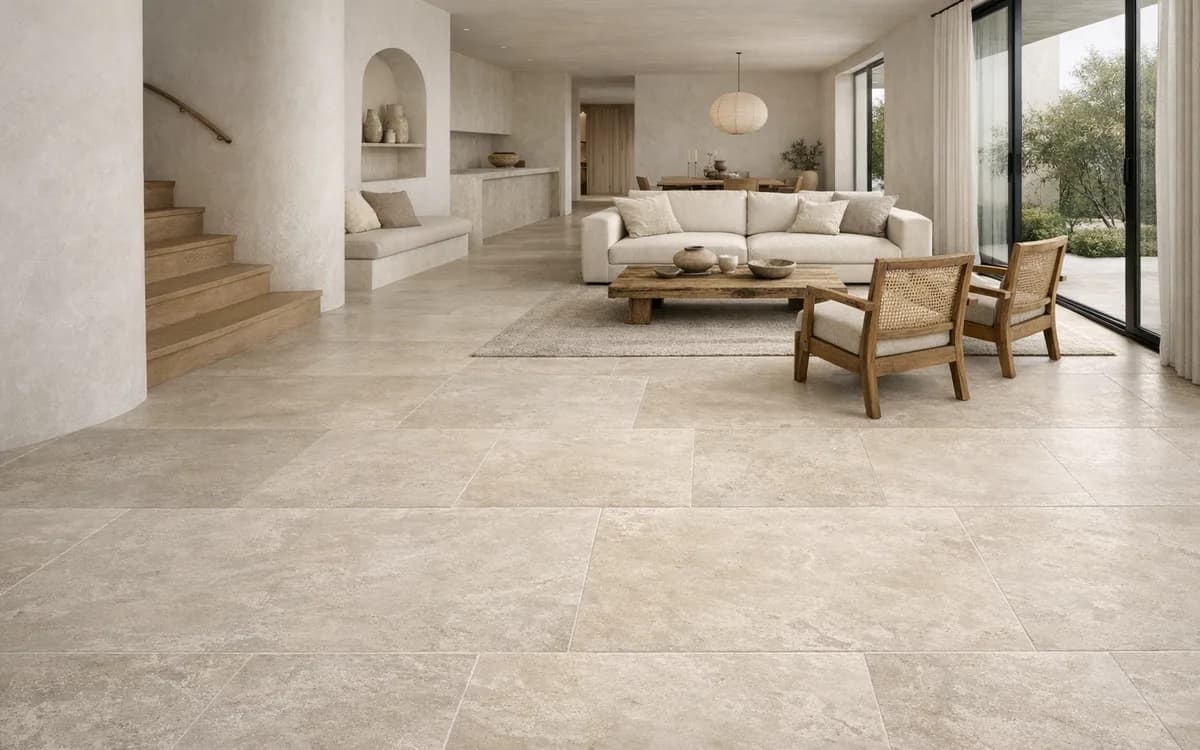
Limestone is a sedimentary rock composed mainly of calcite. It is chosen for its soft, matte appearance and the warm, earthy tones it brings to interior floors.
Character and behaviour
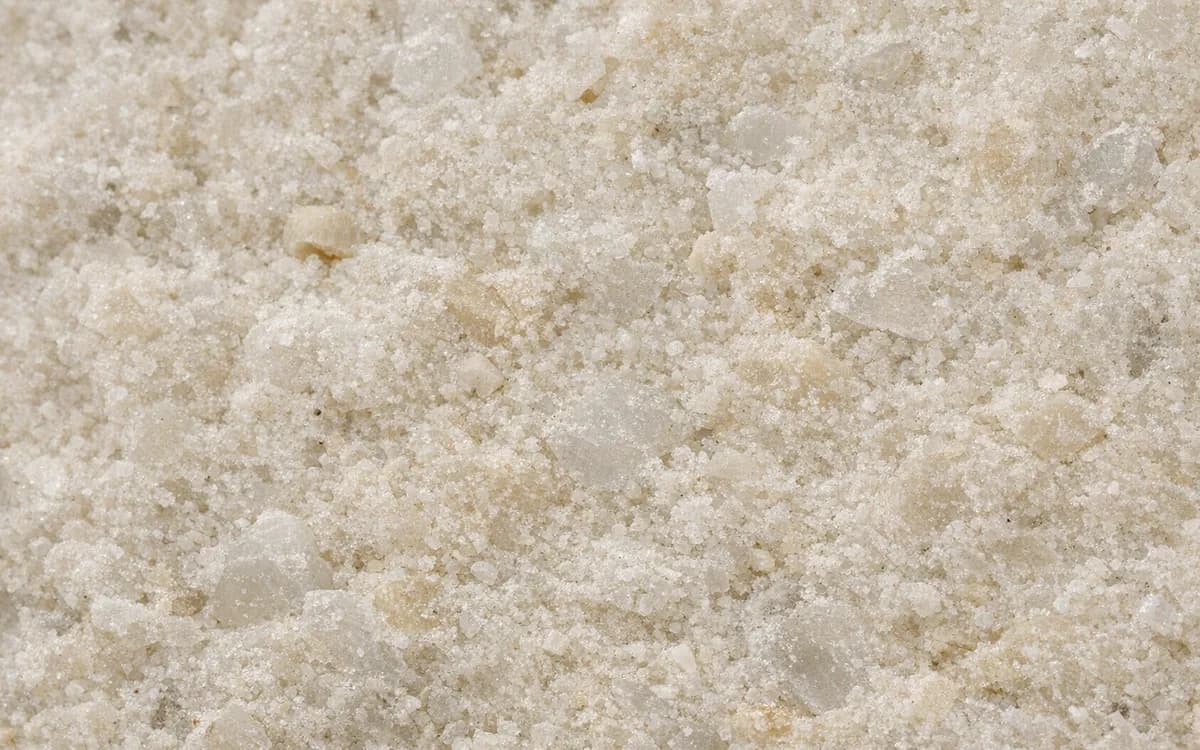
Limestone typically presents in creamy whites, buffs, and grey-beiges with subtle fossil markings and a fine grain. Its surface feels cool underfoot and has a naturally matte quality. Because it is relatively soft and porous, it responds visibly to its environment over time.
Best for
- Low-traffic living areas and hallways
- Bathroom floors with careful sealing
- Entrance halls in dry climates
- Spaces where a natural, aged look is wanted
Avoid for
- High-traffic kitchens prone to spills
- Outdoor areas with freeze-thaw cycles
- Homes with heavy acidic cleaning routines
Care and maintenance
Seal on installation and reseal every one to two years. Wipe spills promptly as acids from food and drink etch the surface. Use pH-neutral cleaners only.
Guides featuring Limestone
- 6 minFrom geology to stone tile
Limestone, slate, and travertine start in geology — not in a showroom. Here is how rock types differ before you buy.
- 7 minHow to care for natural stone floors day to day
Travertine, limestone, and slate each fail in different ways when cared for like a ceramic tile floor. Here is what actually protects them long term.
- 8 minPorcelain tile vs natural stone
Porcelain is factory-made, low-porosity, and consistent. Natural stone is geological — unique, porous to varying degrees, and often more expensive to install. Which fits your room?