Tile
Porcelain tile
Porcelain tile is a dense, low-porosity ceramic fired at high temperatures. It is chosen for its durability, water resistance, and wide range of surface finishes.
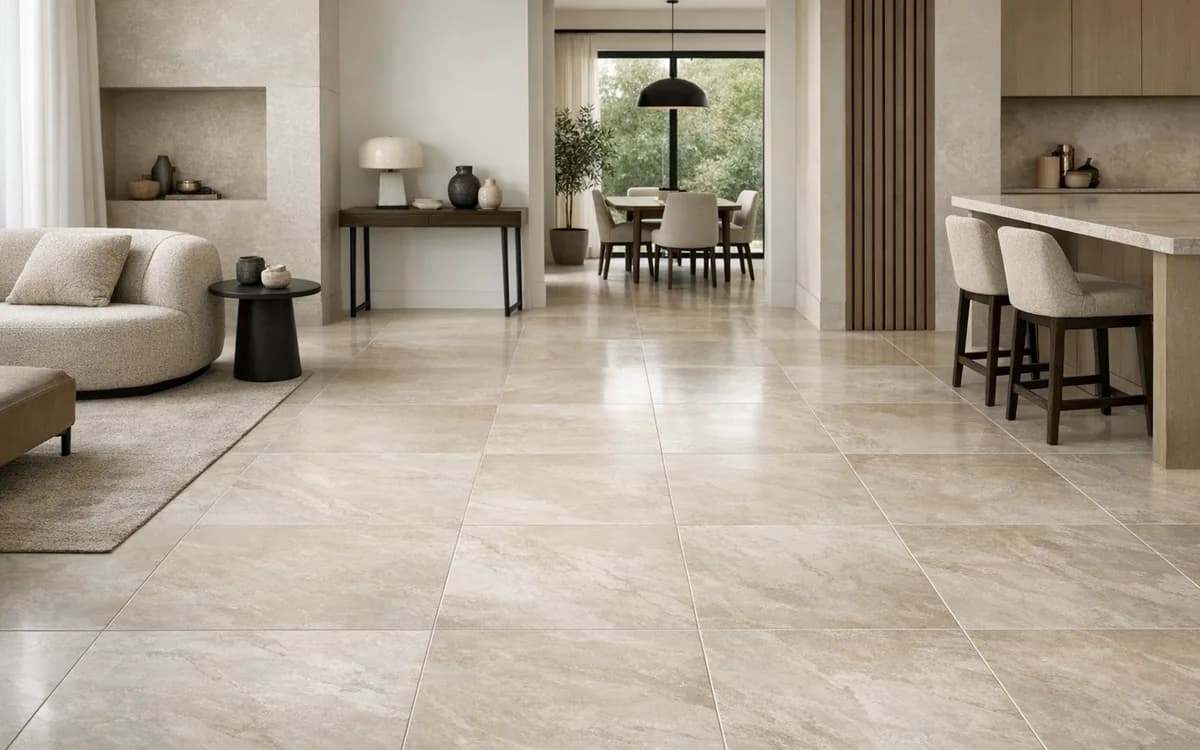
Character and behaviour
Available in matte, polished, textured, and stone-look finishes, porcelain suits many interior styles. It is hard underfoot and can feel cold without underfloor heating. Colour and pattern run through the body, so chips are less visible than on glazed surfaces.
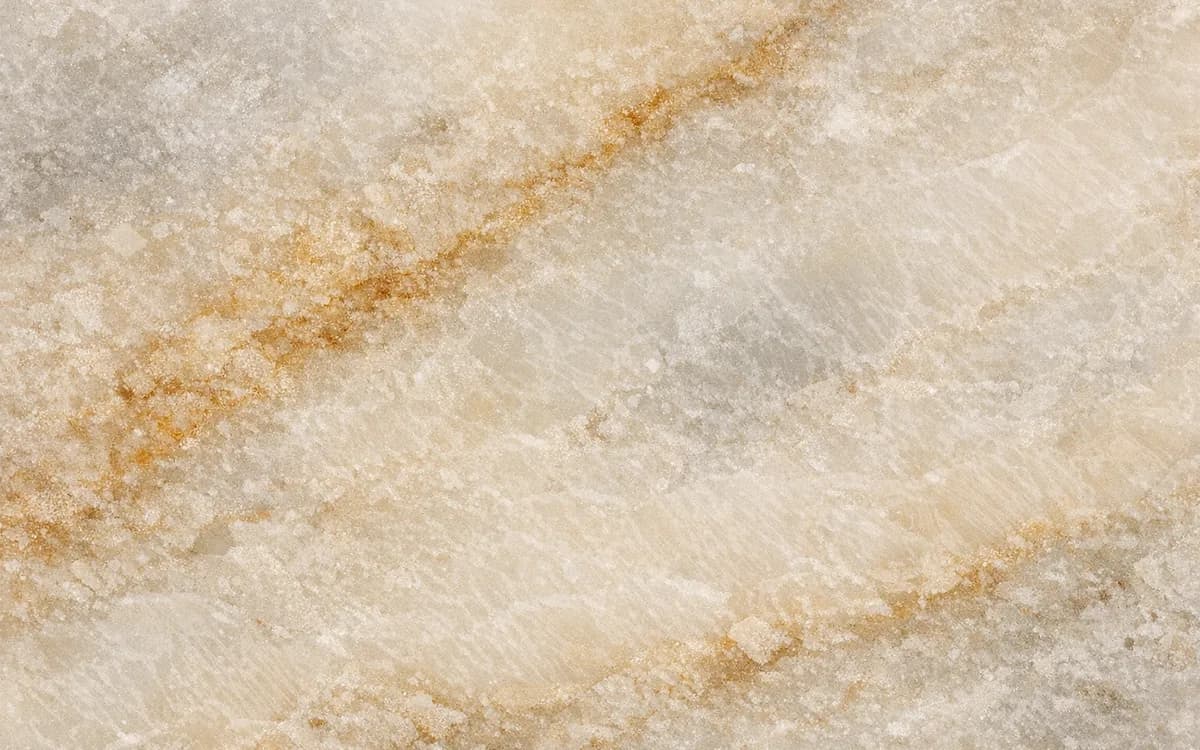
Best for
- High-traffic floor areas
- Wet rooms and bathrooms
- Open-plan kitchen and living floors
- Outdoor-to-indoor transitions
Avoid for
- Spaces where warmth underfoot is a priority
- DIY installs with uneven subfloors
Care and maintenance
Sweep regularly and mop with a pH-neutral cleaner. Grout lines need periodic sealing to resist staining; the tile itself requires no sealing.
Guides featuring Porcelain tile
- 6 minLarge-format porcelain panels — pros and cons
Fewer grout lines and a slab-like look come with real handling and installation trade-offs most homeowners never see before the quote arrives.
- 8 minPorcelain tile vs natural stone
Porcelain is factory-made, low-porosity, and consistent. Natural stone is geological — unique, porous to varying degrees, and often more expensive to install. Which fits your room?
- 6 minMicrocement vs tile for bathrooms
Microcement gives a seamless, grout-free bathroom look, but it behaves very differently from tile in wet zones — know the trade-offs before ripping out existing tile.