Wood
European oak
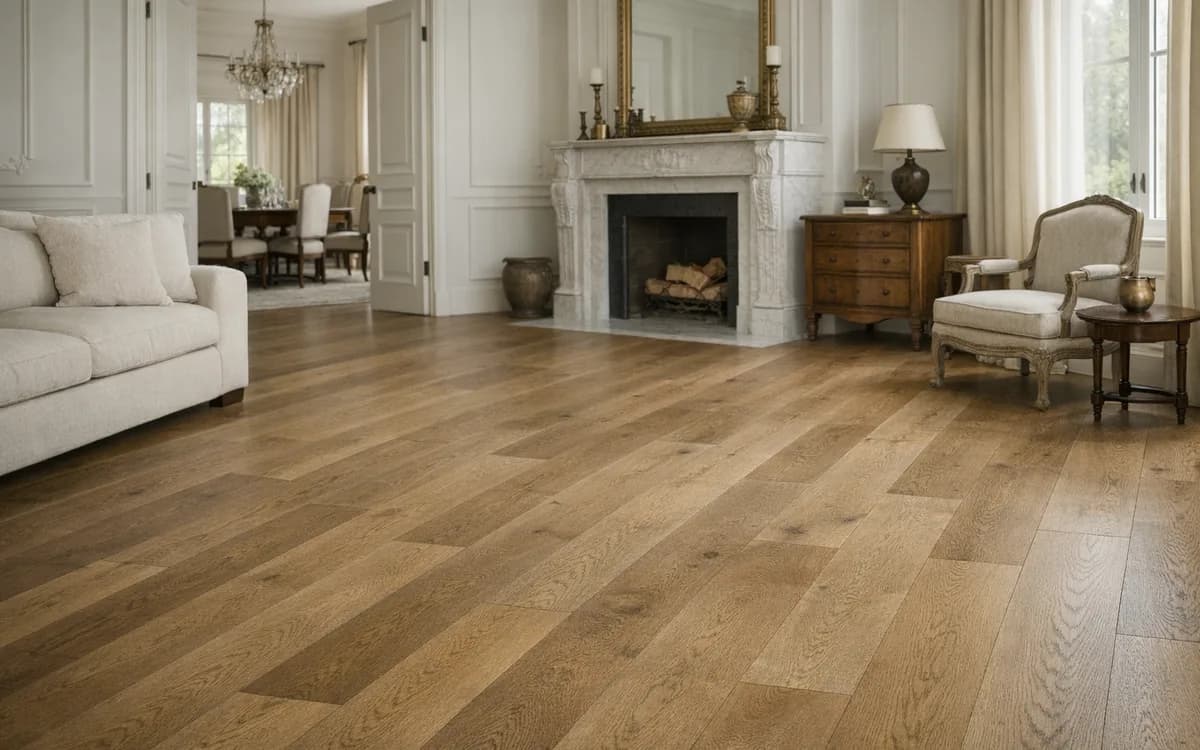
European oak is a hardwood harvested from Quercus robur and Quercus petraea species. It is chosen for flooring because of its durability, stable grain, and how well it accepts stains and oils.
Character and behaviour
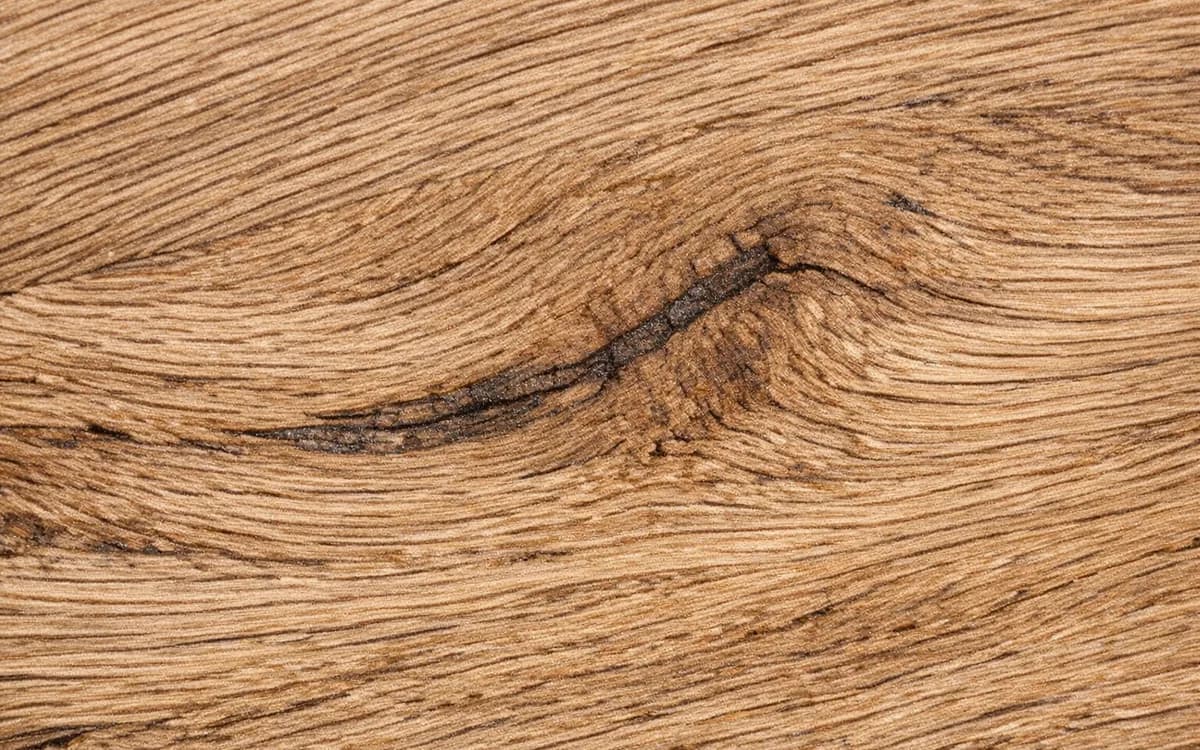
The wood is pale to mid-brown with a straight to slightly wavy grain and visible medullary rays that give a subtle fleck, especially in quarter-sawn cuts. It feels solid underfoot and has moderate hardness that resists everyday dents reasonably well. Color deepens gradually with light exposure over the first few years.
Best for
- Living room and bedroom floors
- Engineered plank in underfloor heating systems
- Staircases and treads
- Cabinetry and joinery
Avoid for
- High-moisture areas such as wet rooms
- Unventilated spaces prone to humidity swings
Care and maintenance
Sweep regularly and wipe spills promptly. Oiled finishes need periodic re-oiling once or twice a year. Lacquered surfaces are lower maintenance but harder to spot-repair.
Guides featuring European oak
- 6 minHistory of oak in European interiors
Oak beams, floors, and joinery shaped buildings for centuries — and the species is still a default choice in premium homes.
- 6 minWhite oak vs European oak flooring
Both read as “oak” on a sample board, but American white oak and European oak differ in tone, grain, and how they age on the floor of a real home.